
If your aids are working but not helping enough, ask the provider that fitted them for a review. Describe the conversations you still miss, what has changed and what you want to find easier. Persistent difficulty does not automatically mean you need more expensive aids.
Is this a device fault or limited benefit?
An aid with no sound, intermittent sound or persistent whistling may need a safe device check. Our care and fault-check guide explains what you can check and when to stop. Avoid dismantling the aid or forcing unfamiliar parts.
This guide is for the next question: the aid produces sound, but a conversation, work call or other important activity remains difficult. Tell the provider about that gap rather than simply saying the aids are “not good enough”.
What should I take to the review?
Choose two or three examples. Note where you were, who was speaking, what helped and what you still missed. Include comfort, handling or phone difficulties if they stopped you using the aids as planned.
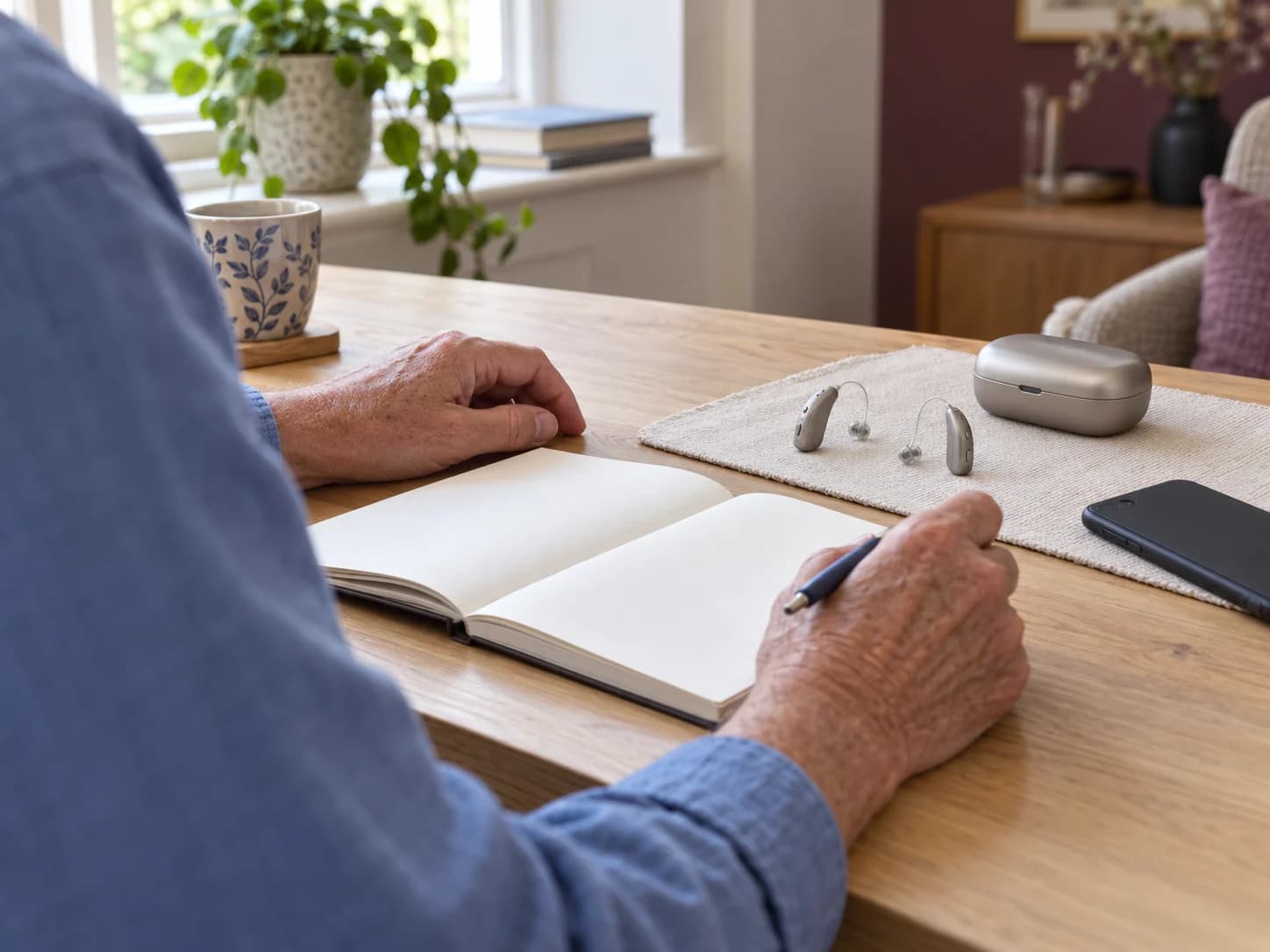
Use the blank listening record in our fitting guide if notes would help. Bring your current aids, charger or batteries, usual glasses and the phone or accessory involved. You do not need a detailed diary or a score.
If the aids are new, read about settling in after fitting. Unfamiliar sound is worth discussing, and ongoing discomfort should not be ignored while you wait to adjust.
Which checks are worth discussing?
Ask the clinician to connect the review with your original listening goals:
- Fit and comfort: is the earpiece suitable, secure and comfortable?
- Sound and settings: does the programmed response meet your needs, and how is it checked?
- Daily use: can you manage the controls, power and phone connections?
- Hearing and ear health: do symptoms or changed listening needs require reassessment?
NICE follow-up guidance includes checking comfort, sound, microphone settings, maintenance and progress towards personal goals. Ask your provider which checks are appropriate for you. Our fitting guide explains the general process.
What if the problem is mainly in noise?
Describe the setting: one speaker across a table is different from several people talking around you. Distance, room echo and competing voices can remain difficult even with suitable aids.
Ask about positioning, the microphone settings you can use and whether a compatible remote microphone would help with that task. Our background-noise guide explains the trade-offs; assistive listening devices covers options beyond the aids themselves. Check compatibility and practical use before buying anything.
When is further assessment needed?
If useful benefit remains limited after appropriate checks and adjustments, ask what the findings still do not explain. Further hearing assessment, medical advice or specialist referral may be appropriate. Do not assume the only remaining option is another brand.
For some people with severe to profound hearing loss and insufficient benefit from acoustic aids, specialist services may assess suitability for cochlear implants under NICE guidance. Eligibility, assessment and treatment need the appropriate specialist service.
Our severe hearing-loss guide connects the questions about power, communication support and specialist assessment without assuming that a more expensive aid is the answer.
What should the next plan include?
Leave knowing what was checked or changed, which situation to try again, who to contact and when progress will be reviewed. Confirm any trial or return deadline separately; do not assume an adjustment extends it.
Repair or replacement can sometimes be appropriate, but it should have an explained reason. Our hearing-aid lifespan guide covers that decision.
For Hear Better-supplied aids, contact us about the difficulty. If another provider supplied your aids, begin with them: they know your fitting and support arrangements. Any new service request needs its scope, availability and separate costs confirmed first.