
Private hearing-aid prices vary because a quote can cover one or two devices, different technology levels and very different levels of fitting and aftercare. The NHS consumer guidance gives £500 to £3,500 or more for a single private hearing aid as a broad UK guide. It is not Hear Better's price list and it does not predict what you personally need.
The meaningful figure is the complete written price for the recommended aid or pair, fitting and ongoing support. A low device price can become poor value if essential appointments, adjustments or repairs are charged separately. An expensive flagship aid can also be poor value when its extra features do not solve a problem you actually have.
Why do private hearing-aid prices vary so much?
Most manufacturers offer several technology levels within a product family. The physical aids may look similar, while their software, processing and available features differ.
The main price factors are:
- whether you need one hearing aid or two
- the technology level and product generation
- the style, such as receiver-in-the-ear or a custom in-the-ear device
- rechargeable batteries and charging equipment
- wireless streaming or accessory requirements
- the provider's assessment, fitting and verification process
- the length and scope of aftercare
- manufacturer warranty terms
- whether home visits are included
The highest technology level is not automatically the correct recommendation. Your hearing results, speech understanding, dexterity, phone use, listening environments and budget should determine which features are worthwhile. Our guide to choosing the right hearing aid shows how to compare those factors before comparing prices.
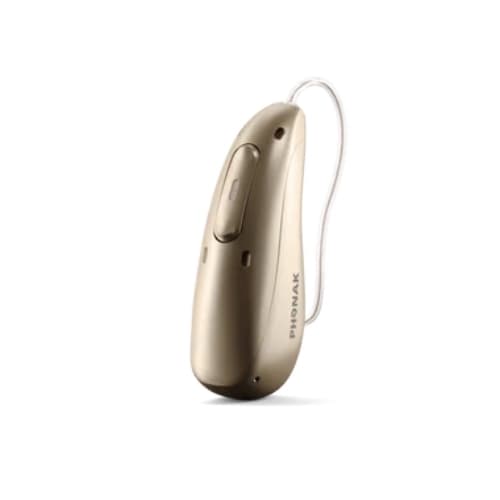
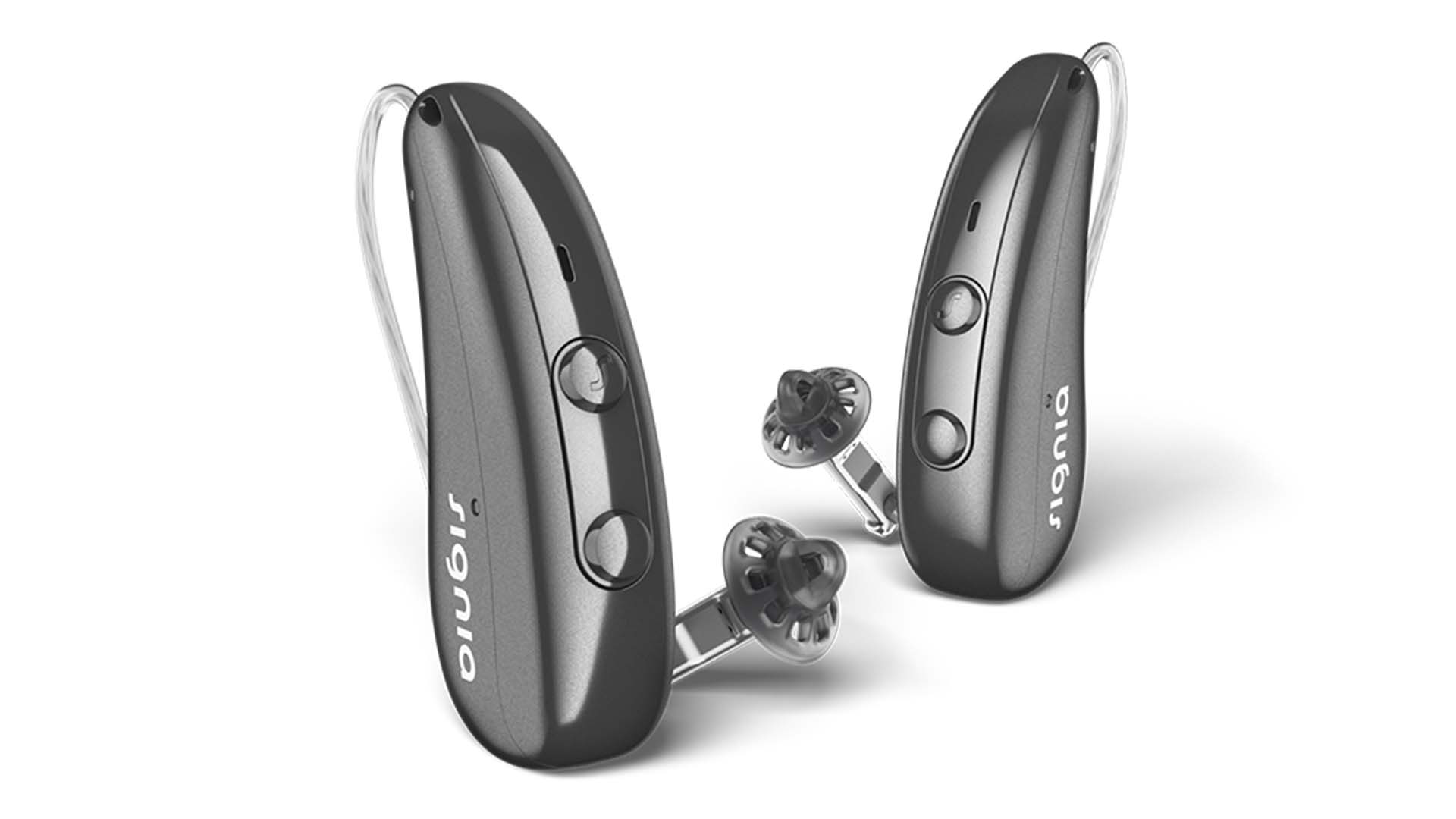
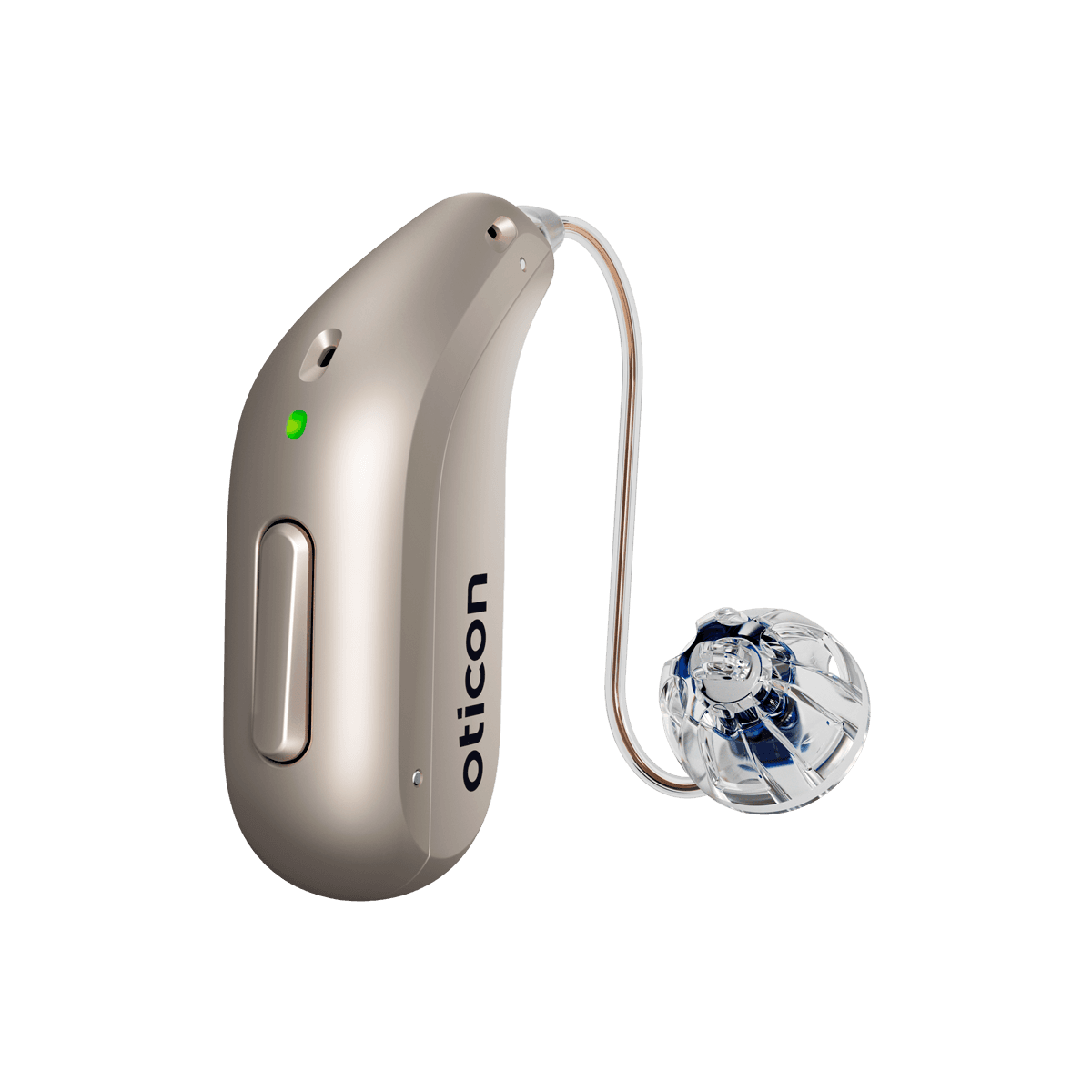
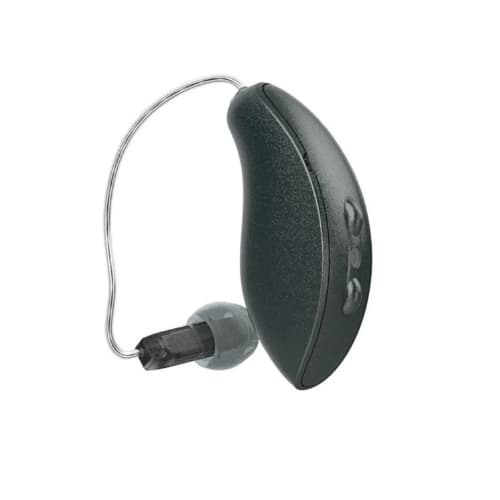
Original manufacturer product images, shown as examples rather than a price or suitability ranking.
Are hearing-aid prices quoted for one aid or a pair?
Never assume. Some providers advertise a per-aid price while others quote for a pair. Ask for the number of devices to be stated clearly.
NICE recommends offering two hearing aids to adults with aidable hearing loss in both ears. Two aids can help with speech in background noise, locating sounds and overall sound quality. That recommendation does not mean everyone needs two, but it makes the difference between a single-aid and pair price essential to understand.
Does the price include fitting, aftercare and a warranty?
Sometimes, but private packages differ, so never assume that the advertised device price is the complete amount. A clear written quote should identify:
- The manufacturer, model, style and technology level.
- Whether the price covers one aid or two.
- The charger, earmoulds, domes or other supplied accessories.
- The fitting and initial programming appointments.
- Follow-up and fine-tuning appointments.
- The manufacturer warranty length and exclusions.
- Which repairs, parts or call-outs are included.
- Ongoing hearing reassessment and aftercare.
- Any trial, return or cancellation terms.
- The complete amount payable and any finance terms.
This is also consistent with the CMA's price-transparency guidance, which says unavoidable fees should be included clearly rather than introduced later in the buying process.
What does Hear Better include?
Hear Better begins with a free home hearing test. Because prices vary, the NHS guide price is not used as a personal quotation. If hearing aids are appropriate, the exact model, whether one aid or two is recommended, the complete price and the included care are explained before you decide. The assessment does not oblige you to purchase anything.
The hearing-aid service includes:
- home assessment, fitting and adjustments
- a free hearing test every 12 months to recheck the prescription
- unlimited service call-outs to help keep the aids in working order
- advice by phone or email
- this aftercare for the lifetime of the aids, including after the manufacturer warranty ends
The manufacturer warranty, paid replacement parts and circumstances such as loss or accidental damage depend on the product's written terms. Those details should be confirmed alongside the recommendation rather than assumed from the phrase “lifetime aftercare.”
Does a more expensive hearing aid always perform better?
No. More expensive levels may offer additional automatic processing, programs, connectivity or support in difficult listening environments. Whether those differences are valuable depends on where you struggle.
Someone who spends a lot of time in busy restaurants, meetings or large family groups may benefit from features aimed at complex background noise. Someone whose listening is mainly one-to-one at home may not gain enough from the same premium level to justify the additional cost. Our background-noise hearing-aid comparison examines whether those premium features are likely to address the actual listening problem.
The fitting also matters. NICE says the person should receive an individual care plan, information on relevant features and follow-up that checks comfort, sound quality, volume and real listening goals. Our guide to what happens during a hearing-aid fitting explains the appointment and follow-up in detail. A well-selected aid with careful fitting and support can be better value than a higher-priced device supplied with little follow-up.
Which ongoing costs should you check?
Ask about costs that may arise after purchase:
- disposable batteries, if the aids are not rechargeable
- replacement domes, wax filters or tubing
- earmould replacements
- out-of-warranty manufacturer repairs
- lost or accidentally damaged aids
- chargers and optional accessories
- appointments after the stated aftercare period
- home call-out charges
Rechargeable aids avoid regular disposable-battery purchases, but the charger and eventual battery servicing should still be considered. The cheapest purchase price and the lowest lifetime cost are not necessarily the same.
How do NHS hearing-aid costs compare?
NHS hearing aids are provided free on long-term loan. The NHS also includes batteries, repairs, follow-up and aftercare, although lost or damaged aids may attract a local charge.
Private care is therefore not the only way to obtain modern digital hearing aids. It is an alternative for people who want to pay for a different range of styles, manufacturers, features or appointment arrangements. Our NHS vs private hearing aids guide compares the two routes in more detail.
How to compare two private quotes fairly
Put both quotes side by side and compare the same things:
- exact model and technology level
- one aid versus a pair
- fitting and verification
- number and timing of follow-ups
- warranty length
- repairs and parts
- home visits
- hearing retests
- length of aftercare
- total payable price
Do not compare one provider's device-only figure with another provider's complete care package. Ask each provider to clarify anything that is not written down.
Get a clear recommendation before comparing prices
Price comparisons are most useful after you know what hearing loss is present and which styles are clinically suitable. Hear Better offers a free hearing test in your own home, explains the results and provides a no-obligation recommendation where aids may help.
You can explore the hearing-aid brands and fitting service before booking. Hear Better is independent and can compare appropriate options from manufacturers including Phonak, Oticon, Signia, Widex, Starkey, ReSound and Unitron.
The sensible goal is not to buy the cheapest or most expensive aid. It is to pay a clearly explained total price for technology that suits your hearing, supported for long enough to keep it useful.